+971 50 145 6258 +971 56 245 3624

- April 30, 2026
- Posted by: Waqas Siddiqui
- Category: Real Estate
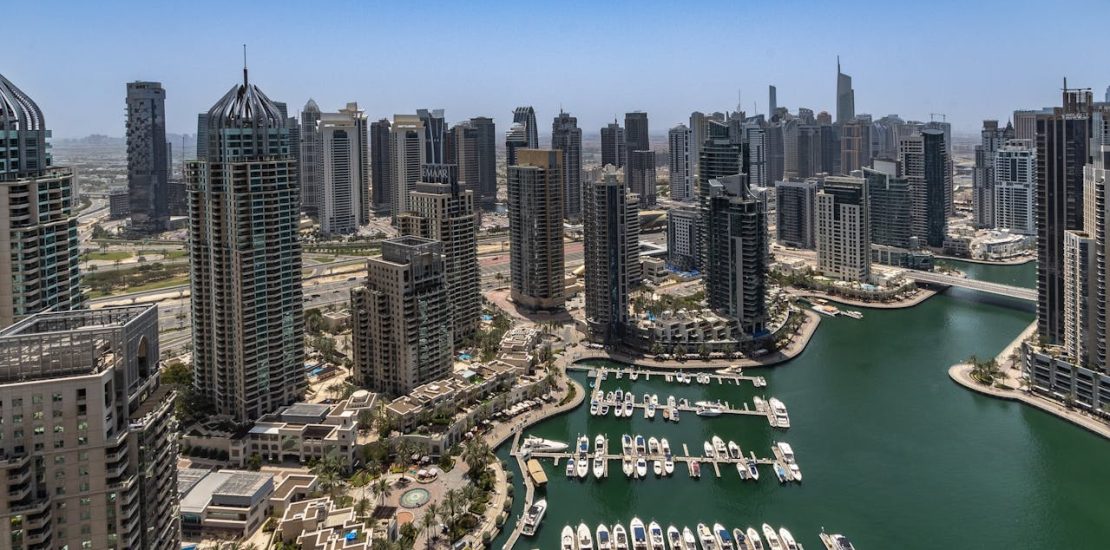
Image – Nelemson G
Dubai investor visa property rule changes are once again placing the emirate at the center of global attention, particularly among real estate investors evaluating opportunities in the UAE. The latest decision to remove the minimum property value requirement for solo investor visas, while introducing a structured threshold for joint ownership, reflects a calculated policy shift rather than a simple regulatory update.
At its core, this move signals Dubai’s intent to expand accessibility without compromising market integrity, reinforcing its long standing position as a preferred destination for property investors and international capital.
What Changed in the Investor Visa Framework?
Until recently, property investors seeking residency through real estate in Dubai were required to meet a minimum investment threshold of AED 750,000 under a single ownership structure. This requirement often shaped purchasing decisions, pushing buyers toward higher value assets regardless of their broader investment strategy.
Under the revised framework, solo property owners are no longer bound by a minimum investment value. At the same time, joint ownership structures now require each investor to hold a minimum share of AED 400000.
This adjustment removes a key entry barrier while ensuring that joint investments maintain a meaningful level of financial commitment.
A Strategic Shift Toward Market Accessibility
The removal of the minimum threshold is best understood as a shift in market positioning. Rather than filtering participants based on capital size alone, Dubai is widening the pool of eligible real estate investors.
This opens the door to a broader range of property owners, including those targeting smaller units, secondary market opportunities, or more diversified real estate portfolios. It also allows investors to align their property purchases with actual financial strategy rather than regulatory necessity.
This shift comes at a time when underlying market fundamentals remain strong. According to a Bayut spokesperson speaking to Gulf News, buyer engagement recovered to over 80% of typical levels within nine days of the recent disruption. Rather than triggering price corrections, the adjustment has been reflected in slower transaction pace, and longer decision cycles, indicating cautious but sustained interest from real estate investors.
Implications for Property Demand and Investment Behavior
The removal of the minimum investment threshold is likely to reshape demand patterns across several segments of the market.
Properties below the previous AED 750,000 benchmark are expected to attract increased attention from real estate investors who were previously constrained by visa requirements. This includes smaller units and emerging communities that may now see stronger transaction activity.
At the same time, the shift toward solo ownership is likely to accelerate. Investors generally prefer control and simplicity, and the absence of a minimum threshold makes individual ownership more attractive compared to shared structures.
The new framework may also reduce reliance on group investment strategies that were previously driven by regulatory workarounds rather than genuine investment intent. This contributes to a more transparent and stable market environment.
Importantly, Dubai investor visa property rule changes also influence investor psychology. By removing an entry barrier, the market becomes easier to navigate. Decision making becomes faster, and perceived risk is reduced because the pathway to entry is clearer.
A More Mature and Adaptive Market
Dubai’s latest policy adjustment reflects a broader pattern of evolution rather than a one off decision. The emirate continues to refine its regulatory framework in response to global conditions, investor behavior, and long term economic objectives.
This adaptability is also visible in recent regulatory responses. Law No. 4 of 2026, introduced to address overcrowding and informal housing, reflects a proactive approach to urban planning and market stability. By improving living standards and regulating supply quality, such measures are expected to support long term property demand while reinforcing confidence among property investors.
For real estate investors, this consistency matters. Markets that adapt while maintaining clarity tend to attract sustained capital inflows. Dubai’s ability to balance flexibility with structure is a key reason why it remains competitive on a global scale.
Similarly, broader economic support has further strengthened market conditions. The AED 1 billion stimulus package introduced in April 2026, including fee deferrals, extended customs grace periods, and streamlined residency processes, has reduced friction across the investment landscape. Combined with strong infrastructure across air, sea, and land, these factors continue to position Dubai as a stable and resilient environment for property owners and international investors.
Partner with UAE’s Leading Market Research Firm
Research Konnection is a premier market research company based in Dubai, offering expertise in consumer research, feasibility studies, and business planning for entrepreneurs, startups, and businesses across the UAE.
Whether you are evaluating real estate investment opportunities in Dubai, assessing property market dynamics, or planning your entry into the UAE property sector, we deliver tailored solutions to support your growth.
Contact Research Konnection today to discover how our UAE market research and feasibility study services can help transform your business vision into reality.